
The Crisis of 1893
How Overbuilt Tracks Derailed the U.S. Economy
When we think of major American economic crises, the Great Depression usually takes center stage. But decades earlier, long before 1929, another financial disaster shook the nation—the Panic of 1893. At the heart of this crisis was an industry that once symbolized America’s progress, innovation, and national unity: the railroads.
By the late 19th century, railroads were the backbone of the American economy. Over 2,000 separate railroad companies connected farms to markets, linked distant regions, fueled steel production, and attracted billions in domestic and foreign investment. As the country expanded westward, railroad companies raced to lay track—sometimes faster than population growth could justify. In 1879 there were approximately 93,000 miles of rail line in the continental United States. In the following decade that number swelled by 70,000 miles to bring the total number of miles of rail line to 163,000, enough to go around the globe six times. This increase created a dangerous condition of overbuilding as rail lines were being constructed where there was little need, and many of them relied heavily on speculative financing, borrowing huge sums under the assumption that future profits would cover the debts.
Spoiler alert, they didn’t.
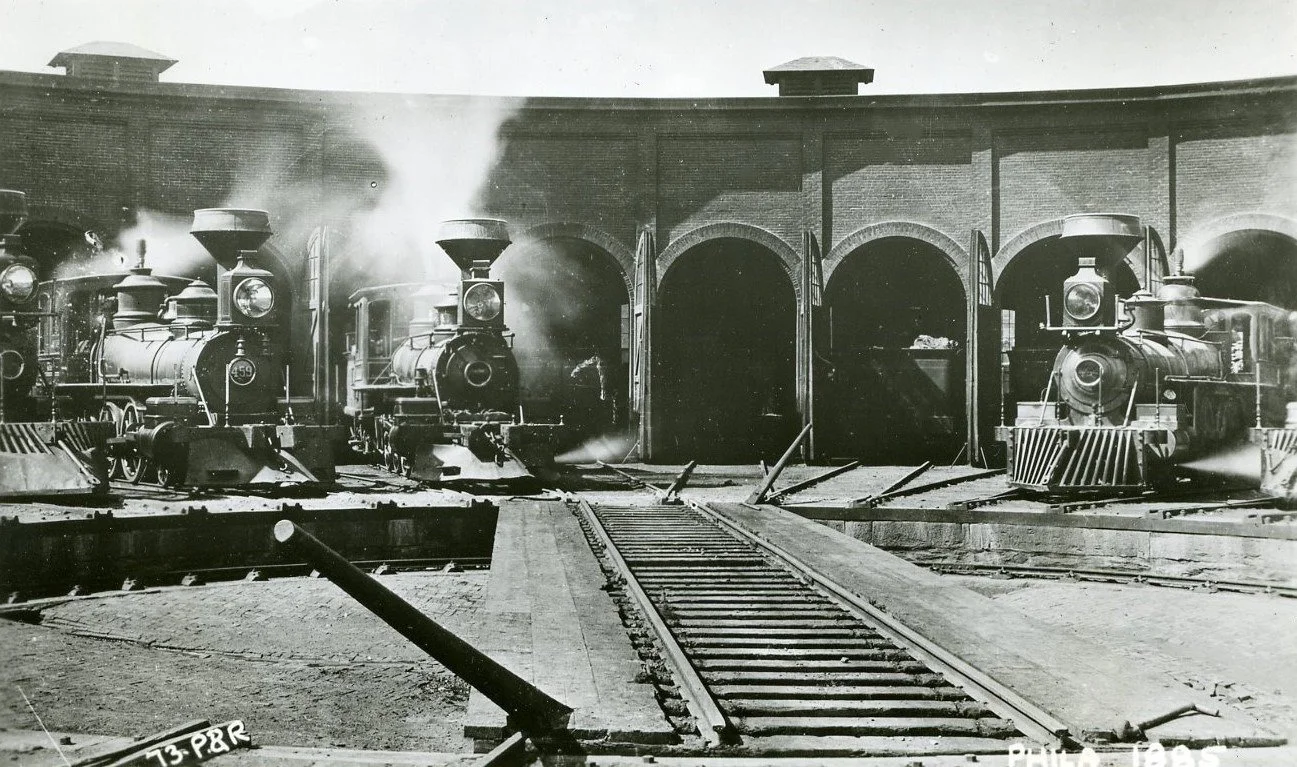
The crisis ignited with the failure of the Philadelphia and Reading Railroad in February 1893. Saddled with unpayable debt and declining revenues, the rail line fell into receivership and investors panicked. Within months, other major railroads—including the Northern Pacific, Union Pacific, and Atchison, Topeka & Santa Fe—toppled under similar pressures. The railroad industry was so interconnected with banks, steel manufacturers, and foreign creditors that these failures began to trigger a broader financial meltdown. Railroads were thought to be too big to fail (sound like a familiar term?) and were among the largest employers and borrowers in the nation. As they collapsed, entire regions felt a seismic shock. Thousands lost their jobs, related industries stalled, and new investment dried up almost overnight. Industrialists and financiers had gambled on perpetual growth (similar to the housing crisis in 2007-09), but once revenues slowed, debts couldn’t be repaid. Investors realized many companies had overstated profits, overestimated future growth and all the while they underestimated risks—a recurring theme in financial crises throughout history. European investors, who had poured money into U.S. railroad bonds, pulled out aggressively. U.S. Gold reserves fell, credit tightened, and the national monetary system came under severe strain. In November of 1893 the Sherman Act of 1890 which required the US government to purchase a large amount of silver each month which artificially propped up and stabilized the price of silver was repealed. Upon the repeal silver prices dropped by nearly 25% almost overnight. This devastated the economies of Colorado, Nevada, Idaho and Montana which were key states in which the railroads had expanded.
The Panic of 1893 triggered what was then the worst depression in U.S. history. Over 15,000 businesses and 500 banks failed, unemployment soared to an estimated 18–20%, breadlines grew and strikes, including the famous Pullman Strike of 1894, erupted as workers protested wage cuts and rising living costs. In cities and rural towns alike, the downturn altered daily life. Families migrated in search of work. Farmers who already struggled from falling crop prices were pushed to the brink. The crisis sharpened debates about labor rights, monetary policy, and the role of government in managing the economy. The latter two topics are still hotly debated today.
The economy slowly began to recover after 1896, helped by a booming gold supply from new discoveries in the Yukon and South Africa. Railroads eventually restructured under new management—J.P. Morgan played a major role in reorganizing and consolidating the industry—and many inefficient lines closed permanently. More importantly, the crisis spurred the U.S. toward reforms in banking, corporate governance, and government intervention—changes that would help shape the next century.
Why the Railroad Crisis Still Matters
Though it occurred well over a century ago, the Panic of 1893 offers important lessons today:
Over-speculation in hot industries can destabilize the entire economy.
Infrastructure booms must align with real demand.
Financial transparency matters.
Economic shocks ripple—quickly and widely.
Sound familiar? Modern tech bubbles (think the dot.com bubble and perhaps now the AI boom), housing crises, and stock market crashes can follow eerily similar patterns.
-REJ